

Amazon Quick Commerce Sales: Proven Success in India
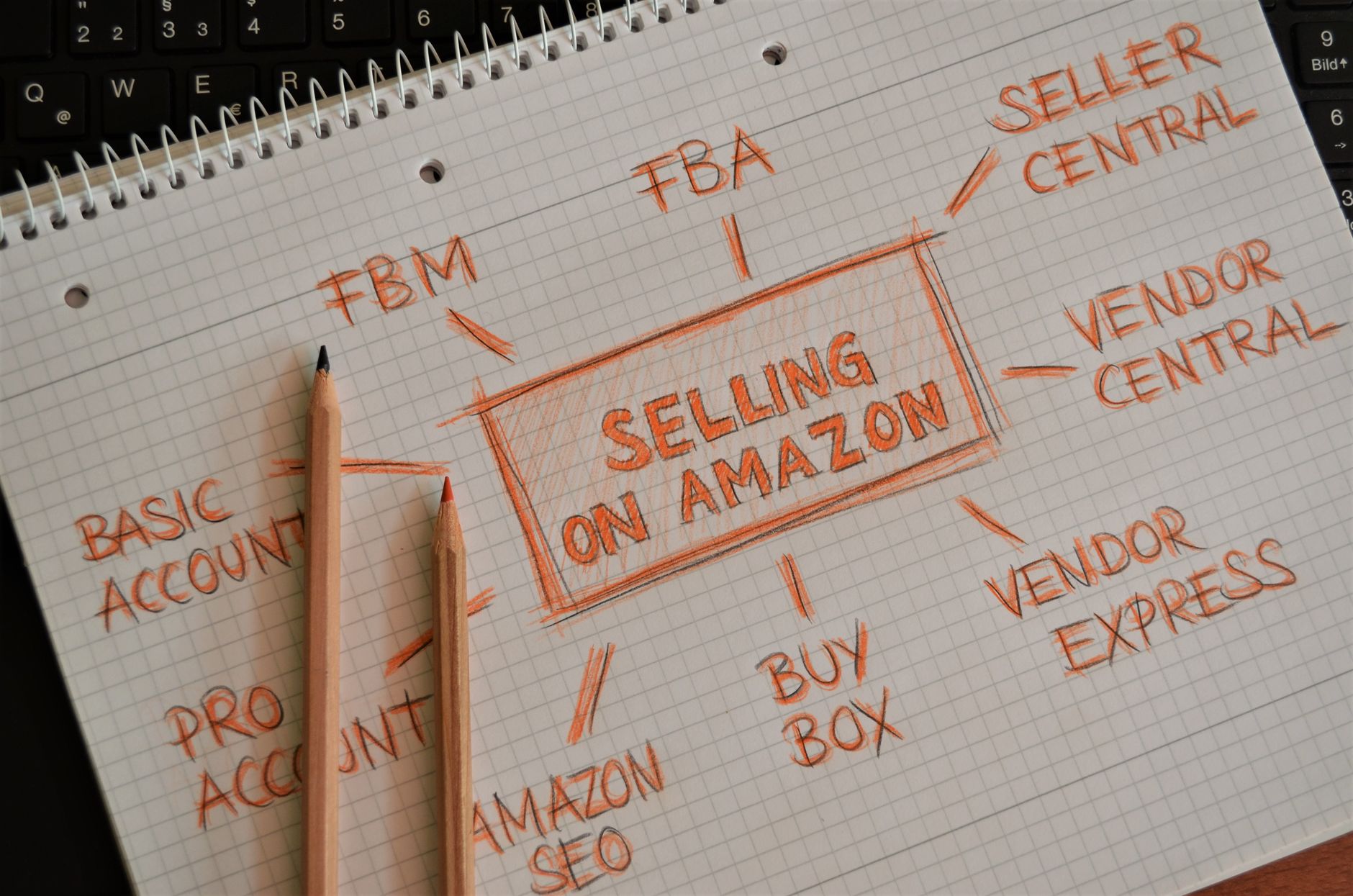
Amazon quick commerce sales have achieved a remarkable milestone, crossing $1 billion in annualized sales. This achievement highlights the rapid growth of the online retail sector in India.
Overview of Amazon’s Quick Commerce Strategy
Amazon has made significant strides in the quick commerce sector, particularly in India, where it has successfully crossed the $1 billion mark in annualized quick commerce sales. This impressive achievement reflects the growing demand for rapid delivery services among Indian consumers.
The company’s quick commerce strategy focuses on several key components:
- Investment in Infrastructure: Amazon has expanded its network of fulfillment centers and delivery stations to ensure faster service.
- Partnerships: Collaborating with local businesses has allowed Amazon to tap into established supply chains and enhance delivery speed.
- Technology Integration: Utilizing advanced logistics and data analytics, Amazon optimizes routes and improves order accuracy.
As a result, Amazon’s quick commerce sales have not only boosted its market presence but also set new standards for convenience in the Indian retail landscape.
Key Growth Factors in India’s E-commerce Market
The rapid expansion of Amazon quick commerce sales in India can be attributed to several key growth factors.
- Rising Internet Penetration: With increasing access to high-speed internet, more consumers are turning to online shopping, boosting e-commerce growth.
- Shift in Consumer Behavior: The demand for convenience has led consumers to prefer quick delivery options, making Amazon’s quick commerce strategy particularly appealing.
- Diverse Product Range: Amazon offers a wide array of products, meeting the varied needs of Indian consumers and encouraging repeat purchases.
- Investment in Technology: Ongoing investments in logistics and technology have enhanced delivery efficiency, contributing to the success of Amazon quick commerce sales.
- Local Partner Collaborations: Collaborating with local retailers strengthens Amazon’s supply chain, allowing for faster service and better customer satisfaction.
These factors collectively support Amazon’s position in India’s competitive e-commerce landscape.
Samir Kumar’s Insights on Future Trends
In a recent interview, Samir Kumar, Amazon’s India chief, shared his insights on the future trends of quick commerce sales in the region. He emphasized that the rapid adoption of digital shopping habits has paved the way for innovative logistics solutions, making it easier for customers to receive their orders in minimal time. According to Kumar, the key to sustained growth lies in understanding consumer preferences and adapting to their needs swiftly.
He noted the importance of leveraging advanced technology and data analytics to enhance the customer experience. Amazon’s quick commerce sales are not just about speed; they also focus on ensuring product availability and quality. Kumar highlighted that as more consumers embrace online shopping, the demand for efficient delivery services will continue to rise, pushing companies to invest in infrastructure and partnerships.
Looking ahead, Kumar expressed confidence that the quick commerce sector will play a pivotal role in shaping the future of retail in India.
Challenges Facing Quick Commerce in India
Despite the impressive milestone of crossing $1 billion in annualized quick commerce sales, Amazon faces several challenges in India that could impact its growth trajectory. One of the primary issues is the intense competition from local players who have already established strong customer bases in various regions.
Additionally, operational logistics remain a significant hurdle. The complexity of navigating diverse urban landscapes and ensuring timely delivery adds pressure to the existing infrastructure.
Another challenge is the fluctuating regulatory environment, which can hinder swift decision-making and adaptability. As e-commerce regulations evolve, Amazon must stay ahead to maintain its market position.
Moreover, consumer expectations are continually rising. Shoppers now demand not only speed but also quality and reliability in their purchases. Meeting these expectations is crucial for sustaining Amazon’s quick commerce sales in a market that is both vibrant and unpredictable.
In summary, while Amazon’s quick commerce strategy shows great promise, overcoming these challenges is essential for continued success.
Comparative Analysis with Competitors
In the rapidly evolving landscape of e-commerce, Amazon quick commerce sales have positioned the company as a formidable player in India. A comparative analysis reveals distinct advantages over competitors such as Zomato and Swiggy, which dominate the food delivery segment.
Key differentiators include:
- Product Range: Amazon offers a broader spectrum of products beyond groceries, appealing to a wider customer base.
- Delivery Speed: With a robust logistics network, Amazon promises faster delivery times, enhancing customer satisfaction.
- Prime Membership Benefits: Exclusive deals and discounts for Prime members provide an additional incentive for consumers to choose Amazon over its rivals.
While competitors focus primarily on food delivery, Amazon’s strategy encompasses a vast array of essentials, driving its quick commerce sales to impressive heights. This adaptability could be pivotal in sustaining Amazon’s growth trajectory in the competitive Indian market.
The Impact of Quick Commerce on Consumer Behavior
The rise of Amazon quick commerce sales has significantly influenced consumer behavior in India. Shoppers are increasingly gravitating towards the convenience and speed offered by quick commerce platforms, allowing them to receive products within hours of ordering. This shift has led to a transformation in purchasing habits, where consumers prioritize immediacy and accessibility over traditional shopping experiences.
Key factors contributing to this change include:
- Increased smartphone penetration: More consumers have access to the internet, enabling them to order through mobile apps.
- Urbanization: Growing urban populations are seeking quick solutions to their daily needs.
- Changing lifestyles: Busy schedules have made consumers appreciate the convenience of quick commerce.
As Amazon continues to innovate in this space, understanding these behavioral shifts will be crucial for sustaining its success in India’s competitive e-commerce landscape.
Recent studies highlight that Amazon quick commerce sales have surged due to the increasing demand for fast delivery options in urban areas. This trend indicates that Amazon quick commerce sales are not only thriving but also reshaping consumer shopping habits in India.
Photo by Tobias Dziuba on Pexels