

Apple Store sales: The Best Proven Strategies for Success
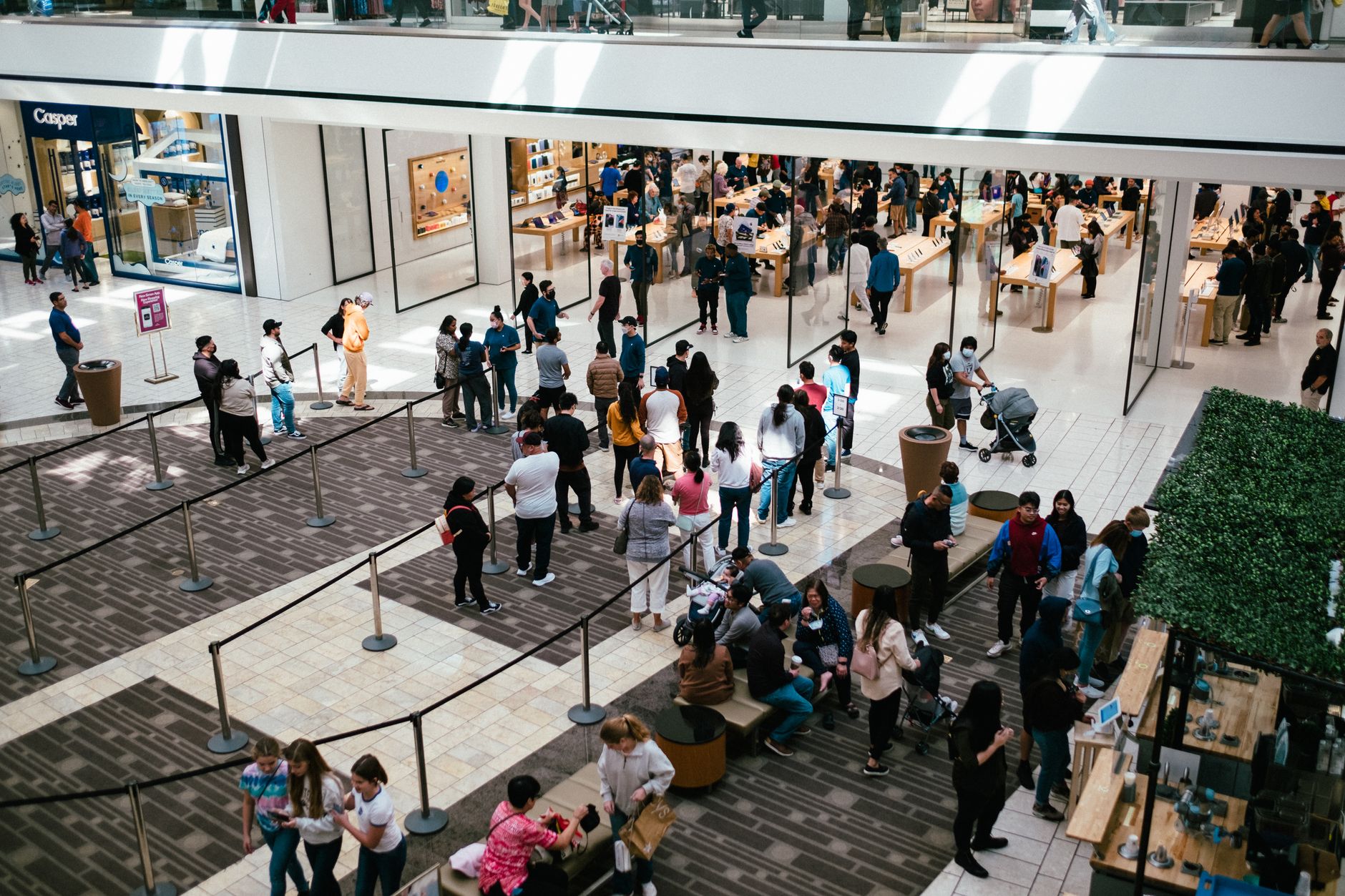
Apple Store sales are a critical focus for retailers, particularly with new product launches on the horizon. Understanding current trends can help optimize sales strategies.
Current Trends in Apple Store Sales
As Apple continues to innovate and expand its product lineup, current trends in Apple Store sales reveal a dynamic retail environment that adapts to consumer preferences. Recent reports indicate that Apple Store sales are remaining neutral, especially as anticipation builds for upcoming product releases. This period often sees a lull in sales as customers wait for the latest offerings from the tech giant.
Several key factors are influencing the current landscape of Apple Store sales:
- Product Anticipation: With new products like the Apple Series 44mm watch generating significant buzz, many customers are holding off purchases in hope of acquiring the latest models.
- Seasonal Trends: The holiday season is approaching, typically boosting sales as consumers seek gifts for loved ones, which may impact current buying habits.
- Online Shopping Shift: The rise in online shopping has also affected foot traffic in physical stores, leading to adjustments in sales strategies.
- Promotional Events: Apple has been known to host promotional events that can temporarily spike interest and drive foot traffic, especially during new product launches.
In conclusion, while Apple Store sales remain neutral for the time being, the strategies employed by Apple to navigate these trends will be crucial in maintaining their competitive edge in the retail market.
Impact of New Product Releases
The impact of new product releases on Apple Store sales cannot be overstated. Each launch generates significant excitement among consumers, often leading to a surge in foot traffic and online purchases. The anticipation surrounding new devices not only drives sales for the newly released products but also boosts sales for existing models.
One of the key strategies that Apple employs to maximize the impact of new releases includes:
- Effective Marketing Campaigns: Apple invests heavily in marketing that highlights the innovative features of new products, creating a buzz that attracts both loyal customers and new buyers.
- Exclusive In-Store Experiences: The Apple Store provides unique opportunities for customers to experience new products firsthand, which can significantly influence purchasing decisions.
- Strategic Timing: By scheduling product launches during peak shopping seasons, such as the holidays or back-to-school periods, Apple effectively capitalizes on increased consumer spending.
- Bundle Offers: Introducing bundle deals that include accessories or services with new products can encourage customers to spend more, enhancing overall store sales.
Furthermore, the excitement generated by new product launches often results in an increase in traffic to Apple Store locations, translating directly into higher sales figures for both new and existing products. The careful orchestration of these strategies showcases Apple’s mastery in driving Apple Store sales through new product releases.
Consumer Behavior Insights
Understanding consumer behavior is crucial for enhancing Apple Store sales, especially in a competitive market. Recent studies have highlighted several key insights into how customers interact with Apple retail environments.
Firstly, customers often exhibit a strong preference for in-store experiences. Many shoppers appreciate the opportunity to physically interact with products before making a purchase. This tactile engagement can significantly influence their buying decisions and ultimately boost sales.
Additionally, the rise of digital engagement has transformed consumer expectations. Shoppers frequently conduct online research prior to visiting an Apple Store, seeking detailed product information and customer reviews. This emphasizes the need for an integrated approach that combines both online and offline strategies to maximize Apple Store sales.
Moreover, brand loyalty plays a pivotal role in consumer behavior. Apple users often remain loyal to the brand, which can lead to repeat purchases and word-of-mouth referrals. Therefore, fostering strong customer relationships through exceptional service and community engagement can enhance long-term sales performance.
Lastly, demographic factors also impact purchasing behavior. Younger consumers are more inclined to seek the latest technology, while older customers may prioritize usability and support. Understanding these nuances allows Apple Stores to tailor their marketing strategies effectively.
In conclusion, leveraging consumer behavior insights is essential for Apple Store sales to thrive in an ever-evolving retail landscape.
Strategies for Boosting Retail Sales
In the competitive landscape of retail, particularly for Apple Store sales, employing effective strategies can significantly enhance performance. Retailers can adopt a variety of proven methods to boost their sales figures and enhance customer satisfaction.
- Personalized Customer Experiences: Providing personalized service can create a lasting impression. Staff trained to engage customers and recommend products based on individual preferences can foster loyalty.
- Utilizing Technology: Integrating technology into the shopping experience, such as augmented reality apps for product demos, can attract tech-savvy consumers and make the buying process more interactive.
- Promotional Events: Hosting exclusive launch events or workshops can draw in crowds and create buzz around new products, leading to increased foot traffic and potential sales.
- Streamlined Checkout Processes: Reducing wait times through efficient checkout options, including mobile payments, can enhance customer satisfaction and encourage impulse purchases.
- Effective Merchandising: Strategic product placement and visually appealing displays can capture attention and highlight key items, making it easier for customers to discover new products.
By implementing these strategies, retailers can not only increase Apple Store sales but also enhance the overall shopping experience, ensuring that customers leave satisfied and eager to return.
Analyzing Apple Inc.’s Market Position
Apple Inc. has long maintained a dominant position in the technology market, and its Apple Store sales reflect this strength. With a loyal customer base and a reputation for innovative products, the company continues to thrive even in competitive environments. Market analysts have observed several key factors contributing to Apple’s sustained success.
Firstly, brand loyalty plays a crucial role in driving Apple Store sales. Customers tend to return for new products and upgrades, creating a consistent revenue stream. The emotional connection that users have with Apple products often leads to repeat purchases, ensuring that the brand remains at the forefront of consumer preferences.
Additionally, strategic store locations enhance the shopping experience, making it convenient for customers to access the latest offerings. Apple has invested heavily in creating visually appealing and interactive retail spaces that draw in consumers and encourage hands-on engagement with products.
Another important aspect is the integrated ecosystem that Apple has developed. By offering a wide range of interconnected devices and services, the company enhances customer satisfaction and increases the likelihood of additional purchases during visits to their stores.
As Apple prepares for new product releases, its ability to analyze market trends and consumer behavior will be crucial in optimizing Apple Store sales, ensuring that the company maintains its competitive edge in the technology sector.
Upcoming Apple Product Launches
As anticipation builds for the upcoming product launches from Apple, many are wondering how these releases will impact Apple Store sales. Historically, new product announcements have driven significant traffic to retail locations, resulting in increased sales figures. The latest rumors suggest that Apple is set to unveil several exciting products this fall, which could reinvigorate consumer interest and boost store performance.
Among the most anticipated releases are:
- New iPhone Models: Expected to showcase improved camera technology and enhanced battery life.
- Apple Watch Series Updates: Innovations in health tracking features are anticipated to draw in fitness enthusiasts.
- iPad Refresh: Aiming to attract both creative professionals and students with upgraded specifications.
- MacBook Enhancements: With the introduction of new processors, these models are expected to appeal to tech-savvy consumers.
These upcoming launches not only promise to capture consumer interest but are also essential for maintaining Apple’s competitive edge in the market. As the company continues to innovate, the strategies employed by Apple Store managers will be crucial for maximizing the potential of these new products. The effectiveness of these strategies could significantly influence Apple Store sales during the crucial launch period.
Sales Performance Metrics
The sales performance metrics for Apple Store sales are crucial in assessing the effectiveness of retail strategies and the overall health of the brand. These metrics provide insights into customer behavior, sales trends, and operational efficiency. Key performance indicators (KPIs) include:
- Sales per square foot: This metric measures the revenue generated for each square foot of retail space, highlighting how effectively the store utilizes its physical footprint.
- Average transaction value: Understanding the average amount spent by customers during their visits helps identify opportunities for upselling and enhancing product offerings.
- Conversion rate: Tracking the percentage of visitors who make a purchase is essential for evaluating the effectiveness of sales tactics and customer engagement strategies.
- Customer retention rate: A high retention rate indicates strong brand loyalty and satisfaction, essential for sustainable sales performance.
- Inventory turnover: This metric shows how quickly stock is sold and replaced, reflecting the demand for products and the efficiency of inventory management.
Analyzing these metrics allows Apple Store management to make data-driven decisions that enhance sales performance. With upcoming product releases expected to drive traffic, focusing on these KPIs can help optimize Apple Store sales during this critical period.
How to Prepare for New Releases
As Apple Store sales approach new product releases, it is essential for retailers and staff to be well-prepared to capitalize on heightened consumer interest. Here are some strategies to ensure a successful launch:
- Staff Training: Equip employees with comprehensive knowledge about the new products. Understanding features, specifications, and use cases will help them engage customers effectively.
- In-Store Events: Organize launch events that create excitement. Offering hands-on experiences and demonstrations can attract more visitors and enhance customer engagement.
- Marketing Campaigns: Implement targeted marketing strategies across various platforms. Utilize social media, email newsletters, and in-store promotions to build anticipation and drive traffic.
- Inventory Management: Ensure adequate stock levels for the new releases. An efficient inventory system will help avoid stockouts, which can negatively impact Apple Store sales.
- Customer Feedback: Gather insights from existing customers about their expectations. This information can guide sales strategies and improve overall customer satisfaction.
- Utilize Data Analytics: Analyze past sales performance and customer behavior to predict trends and tailor preparations effectively.
By focusing on these areas, Apple Stores can enhance their readiness for new product launches, ultimately maximizing their sales potential and reinforcing their market position.
Photo by Deane Bayas on Pexels
References
Related reading
Air India Loyalty Program: Easy Way to Earn Points Daily · Winter 26 Collection: Best Proven Fashion Trends Revealed · Winter Sales 2027: What Are the Best Proven Tips?