

Self-Service Kiosk: The Smart Way to Automate Print Orders
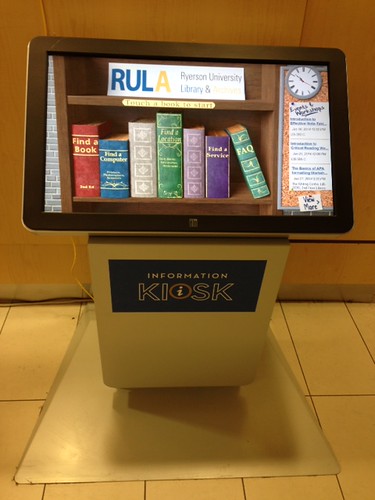
self-service kiosk technology is revolutionizing the way print orders are handled in India. Bengaluru startup Sanskriti Labs has launched a new solution designed to automate Xerox shop transactions.
Introduction to Self-Service Kiosks
In recent years, the demand for efficiency in printing services has surged, leading to innovative solutions like the self-service kiosk. These kiosks not only streamline the order process but also empower customers to take control of their printing needs. With the rise of digital technology, Bengaluru-based startup Sanskriti Labs has introduced a cutting-edge self-service kiosk aimed at automating print orders from local Xerox shops. This initiative promises to reduce waiting times and enhance user experience.
The self-service kiosk operates with an intuitive interface, allowing users to:
- Upload documents directly from their devices
- Select printing options such as color or black and white
- Make payments seamlessly through multiple payment gateways
- Receive printed materials quickly and efficiently
As businesses evolve, the self-service kiosk stands out as a smart solution to meet the changing needs of consumers.
How Sanskriti Labs is Innovating
Sanskriti Labs is at the forefront of innovation with its new self-service kiosk, designed specifically to streamline print orders in India’s bustling Xerox shops. The startup aims to transform the traditional printing experience by allowing customers to place and pay for their print jobs independently, reducing wait times and enhancing efficiency.
Key features of the kiosk include:
- User-friendly interface: Customers can easily navigate the system to upload files and select print options.
- Secure payment processing: Multiple payment methods ensure a seamless transaction experience.
- Real-time order tracking: Users can monitor the status of their print jobs from the kiosk.
With these advancements, Sanskriti Labs is not only meeting the demands of modern consumers but also setting a new standard in the printing industry.
Benefits of Automating Print Orders
Automating print orders through self-service kiosks offers numerous advantages for both businesses and customers. One of the primary benefits is enhanced efficiency, as these kiosks enable users to place orders without the need for staff assistance. This not only speeds up the process but also reduces wait times during busy hours.
Additionally, self-service kiosks provide a user-friendly interface that simplifies the ordering procedure, making it accessible for all age groups. Customers can easily upload documents, select print options, and make payments, all in one location.
Moreover, implementing self-service kiosks can lead to cost savings for businesses. By minimizing labor costs and streamlining operations, companies can focus on other critical aspects of their services. Overall, the transition to self-service kiosks represents a significant step forward in modernizing print order management.
User Experience with the New Kiosk
The introduction of the self-service kiosk has transformed the user experience for customers looking to place print orders. With an intuitive interface, users can quickly navigate through various options without the need for assistance. This innovation allows customers to:
- Choose from a range of printing options, including sizes and formats.
- Upload files directly from their devices or cloud storage.
- Make payments seamlessly through integrated payment systems.
- Track the status of their orders in real-time.
Users have reported a significant reduction in wait times, enhancing overall satisfaction. The kiosk not only streamlines the process but also empowers customers to take control of their printing needs. As self-service kiosks become more prevalent, they are setting new standards for efficiency in service delivery.
Impact on Local Businesses
The introduction of self-service kiosks is transforming the landscape for local businesses, particularly in the printing sector. As more customers gravitate towards convenience, these kiosks enable print shops to streamline their operations and reduce wait times. This shift not only enhances customer satisfaction but also allows businesses to allocate resources more effectively.
Local entrepreneurs are witnessing an increase in foot traffic as the self-service kiosk attracts tech-savvy consumers looking for quick and efficient service. Furthermore, the automation of print orders minimizes human error, ensuring that customers receive accurate results every time.
By embracing this innovative technology, local print shops can differentiate themselves in a competitive market, ultimately leading to increased sales and customer loyalty. As the trend of self-service kiosks continues to grow, businesses that adapt will likely thrive in the changing landscape.
Comparing Traditional vs. Automated Services
When evaluating print order services, the differences between traditional methods and self-service kiosks become evident. Traditional print services often require customers to wait in line, interact with staff, and navigate a complicated process that can lead to frustration. In contrast, self-service kiosks streamline this experience, allowing users to place orders independently and at their own pace.
Key differences include:
- Time Efficiency: Self-service kiosks significantly reduce wait times compared to traditional services.
- User Control: Customers can manage their orders without relying on staff assistance.
- Accessibility: Kiosks offer 24/7 availability, making it easier for users to print whenever they need.
As more businesses adopt these automated services, the convenience and efficiency of self-service kiosks are becoming increasingly apparent.
Future of Print Technology in India
The future of print technology in India is rapidly evolving, with self-service kiosks at the forefront of this transformation. As digitalization progresses, these kiosks are set to redefine how consumers interact with print services, offering convenience and efficiency.
Key trends shaping this future include:
- Increased Demand for Automation: As businesses seek to streamline operations, self-service kiosks will play a crucial role in automating print orders.
- Integration of Advanced Technology: Innovations like artificial intelligence and machine learning will enhance kiosk capabilities, providing personalized user experiences.
- Expansion Across Urban Areas: Self-service kiosks are expected to proliferate in urban centers, making print services more accessible to a broader audience.
Overall, the integration of self-service kiosks in the print industry signals a promising shift towards a more automated and user-friendly landscape.
Conclusion and Next Steps
In conclusion, the introduction of self-service kiosks by Sanskriti Labs marks a significant step forward in automating print orders in India. With the advantages of speed, efficiency, and enhanced user experience, these kiosks are set to transform the way customers interact with print services. Local businesses are already seeing a positive impact, streamlining their operations and improving customer satisfaction.
As we look to the future, it is essential for businesses to consider integrating such innovative solutions to stay competitive. The success of this technology will likely pave the way for further advancements in print technology, fostering a more efficient marketplace.
Next steps for interested businesses include exploring partnerships with technology providers and investing in training staff to manage these new systems effectively. Embracing self-service kiosks could lead to a significant transformation in the print industry.
The self-service kiosk allows customers to place print orders quickly and efficiently, reducing wait times. By integrating a self-service kiosk into the workflow, businesses can streamline their operations and enhance customer satisfaction.
By Ryerson University Library via Openverse